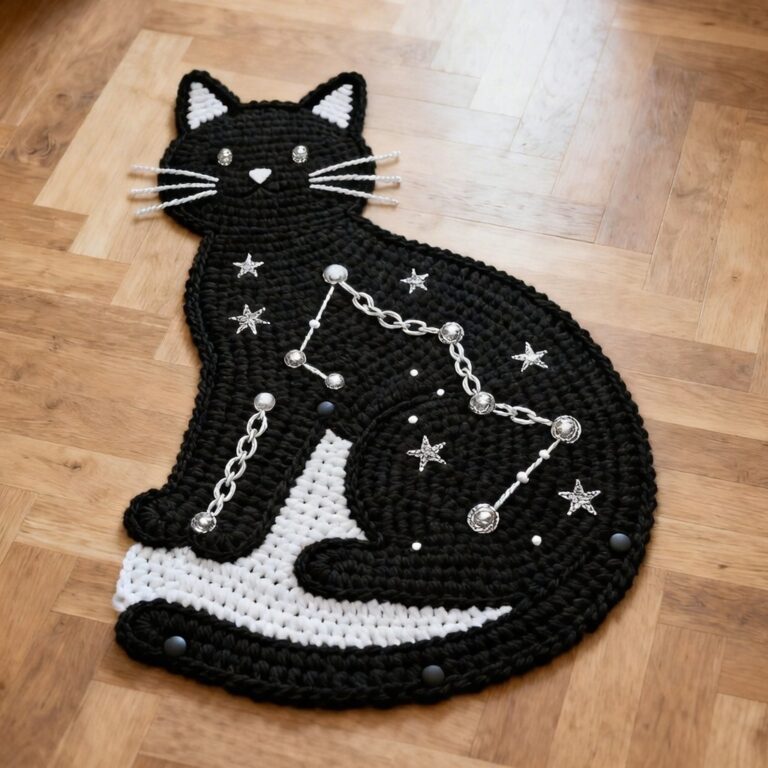
Wonderful Cat Astrologer Rug Pattern

Single Crochet Tutorial is the perfect starting point for anyone who wants to learn the fundamentals of crochet for beginners while building a strong foundation in technique and stitch control.
The single crochet stitch is one of the most essential and widely used stitches in crochet, forming the backbone of countless projects such as blankets, scarves, amigurumi, dishcloths, garments, and home décor pieces.
In this complete guide, you will learn not only how to make a single crochet stitch, but also how to improve tension, maintain straight edges, and create consistent, professional-looking fabric.
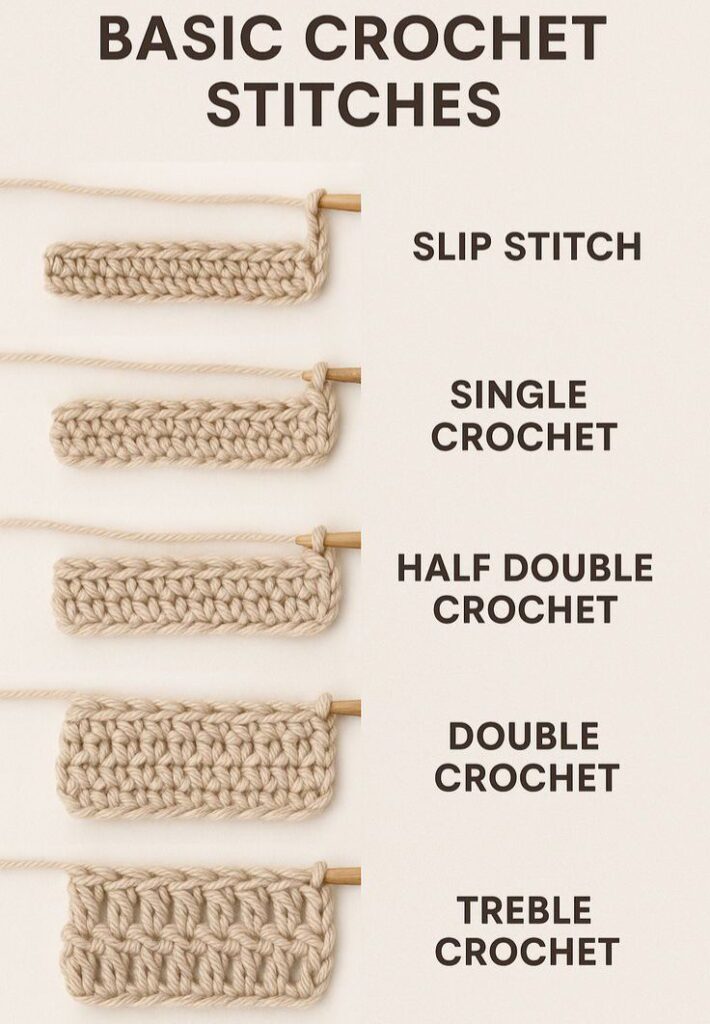
The beauty of the single crochet tutorial lies in its accessibility. Even if you have never held a crochet hook before, you can quickly understand the structure of this stitch with proper guidance.
The single crochet stitch creates a dense, sturdy fabric with minimal gaps, making it ideal for projects that require durability and structure. Unlike taller stitches such as double crochet, single crochet produces a tighter weave, which is why it is commonly used in amigurumi toys and practical household items. Understanding how the stitch forms and how it stacks row after row is essential for creating smooth, even crochet fabric.
Another reason the single crochet stitch tutorial is so important is that it teaches control. Because it is compact and structured, any inconsistency in tension becomes noticeable. Learning to regulate yarn flow, hook placement, and stitch height early in your crochet journey helps you build confidence and skill. Whether your goal is to crochet garments, accessories, or decorative items, mastering single crochet gives you the confidence to move forward into more advanced techniques. Let’s start with the tools and materials you need before making your first stitch.
Before beginning this Single Crochet Tutorial, gather a few essential materials. You will need yarn, a crochet hook appropriate for that yarn weight, scissors, and a yarn needle for finishing. For beginners, a medium-weight (worsted) yarn in a light color is recommended. Lighter colors make it easier to see the stitches clearly. A 5.0 mm (H-8) crochet hook pairs well with worsted yarn and provides comfortable control for practice.
Hold the crochet hook in a way that feels natural to you. There are two common grips: the pencil grip and the knife grip. Neither is right or wrong; choose the one that allows steady hand movement and comfort. Next, create a slip knot and place it on your hook. The slip knot should be snug but not tight, allowing the hook to move smoothly.
To begin practicing single crochet, you first need a foundation chain. Yarn over and pull through the loop on your hook repeatedly to create a chain of about 15 stitches. This chain acts as the base row for your single crochet stitches. Avoid pulling the yarn too tightly while chaining, as tight chains can make the first row difficult to work into.
Now that you have your foundation chain ready, it is time to begin the core of this single crochet stitch tutorial. Insert your hook into the second chain from the hook. Yarn over and pull up a loop. You should now have two loops on your hook. Yarn over again and pull through both loops. Congratulations—you have completed your first single crochet stitch.
Repeat this process across the entire row. Insert your hook into the next chain, yarn over, pull up a loop, yarn over again, and pull through both loops. Continue until you reach the end of the foundation chain. You should now see a row of compact stitches forming a neat edge.
At the end of the row, chain one and turn your work. This turning chain does not count as a stitch in single crochet. Insert your hook into the first stitch of the previous row, not into the turning chain. Repeat the same stitch steps across the row. Practicing multiple rows will help you recognize the top “V” shape of each stitch, which guides proper hook placement.
One of the most common beginner challenges in any Single Crochet Tutorial is uneven edges. If your project starts to widen or narrow, it usually means stitches are being accidentally added or skipped. To prevent this, count your stitches at the end of every row. If you started with 14 stitches in your first row, each subsequent row should also have 14 stitches.
Consistent tension is equally important. Try to keep your yarn flow steady by guiding it through your fingers at a comfortable pace. If your stitches feel tight and difficult to insert the hook into, relax your grip slightly. If the fabric looks loose and uneven, tighten your tension gently. Balance comes with practice and patience.
Pay attention to the last stitch of each row. It can sometimes be hidden or easy to miss. Ensure you insert your hook into the final stitch before chaining one and turning. Developing this habit early will result in straight, professional-looking edges.
During your single crochet stitch tutorial, you may encounter a few common mistakes. One frequent issue is inserting the hook into the wrong part of the stitch. Always aim for the top two loops of the stitch unless the pattern instructs otherwise. Working under only one loop can change the texture unintentionally.
Another common mistake is tight foundation chains. If your first row feels rigid, try using a larger hook just for the foundation chain, then switch back to your regular hook for the remaining rows. This creates a more flexible base.
If your fabric curls slightly, it may be due to tight tension or inconsistent stitch placement. Practice slower movements and ensure each stitch is completed fully before starting the next one. Remember, crochet is a rhythm-based craft. Smooth, consistent motions lead to better results.
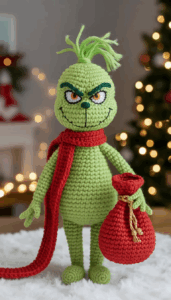
The single crochet stitch is incredibly versatile. It is often used for dishcloths, scarves, baby blankets, hats, and structured bags. Because it creates dense fabric, it is also the primary stitch used in amigurumi, the art of crocheting stuffed toys. Mastering single crochet allows you to confidently explore these creative possibilities.
For beginners, start with a simple square dishcloth. It allows you to practice rows, tension control, and edge consistency without shaping. Once comfortable, you can experiment with stripes by changing colors at the end of a row. This teaches you color transitions while reinforcing stitch repetition.
As your skills improve, you can combine single crochet with other stitches to create textured patterns. Even advanced crochet patterns frequently rely on single crochet for borders and finishing edges. This demonstrates how foundational and valuable this stitch truly is.
Practice is the key to mastering this Single Crochet Tutorial. Set aside short, regular practice sessions rather than attempting long sessions that may cause hand fatigue. Over time, muscle memory will develop, and your movements will become more fluid.
Try crocheting while maintaining consistent posture and hand position. Good ergonomics reduce strain and improve control. If your hands feel tired, take a short break. Relaxation supports steady tension and stitch accuracy.
Most importantly, be patient with yourself. Every crocheter started with uneven stitches and occasional mistakes. With repetition, your stitches will become more uniform and your confidence will grow naturally.
1. Is single crochet the easiest stitch to learn?
Yes, single crochet is widely considered one of the easiest and most fundamental stitches for beginners.
2. Why does my single crochet fabric look uneven?
Uneven fabric is usually caused by inconsistent tension or missed stitches. Counting stitches helps maintain consistency.
3. Does the turning chain count as a stitch?
In single crochet, the turning chain typically does not count as a stitch.
4. Why are my edges not straight?
You may be skipping the last stitch or adding an extra stitch accidentally. Always count your stitches.
5. Can I make a blanket using only single crochet?
Absolutely. Single crochet creates a warm, sturdy blanket with beautiful texture.
6. How long does it take to master single crochet?
With regular practice, most beginners feel comfortable within a few days to a couple of weeks.
This Single Crochet Tutorial has provided a complete introduction to one of the most important stitches in crochet. By learning how to form the stitch, maintain tension, count rows, and correct mistakes, you build a strong technical foundation for future projects. The single crochet stitch is simple yet powerful, forming the base for countless designs in crochet. With patience and regular practice, you will gain confidence and control, allowing your creativity to flourish.
If this guide helped you, please share your honest opinion and leave suggestions. Your feedback inspires better tutorials and supports a growing crochet community.